
The Ultimate Guide to Starting a Food Truck Business in Australia


Introduction
Starting a food truck business in Australia is an exciting opportunity for culinary entrepreneurs. With the growing popularity of street food, food trucks offer a flexible and cost-effective way to enter the food industry. This guide will walk you through the essential steps and considerations to get your food truck business rolling.

Understanding the Market
Before diving into the food truck business, it's crucial to understand the local market. Research popular cuisines and identify gaps in the current offerings. Consider attending local events and food festivals to observe consumer preferences and competitor strategies.
Understanding the demographics and preferences of your target audience will help in crafting a menu that appeals to them. Look for inspiration from successful food trucks and adapt to the unique tastes of your market.
Creating a Business Plan
A solid business plan is the foundation of your food truck venture. Your plan should include an executive summary, market analysis, marketing strategy, and financial projections. Clearly define your goals, target audience, and unique selling proposition.
Consider the costs involved, such as purchasing a truck, equipment, permits, and initial inventory. A well-thought-out business plan will help you secure financing and guide your business decisions.
Legal Requirements and Permits
Operating a food truck in Australia requires compliance with local regulations and obtaining necessary permits. These may vary by state and municipality, so it's essential to research the specific requirements in your area.
Common permits include a food license, vehicle registration, health inspections, and possibly a special events permit. Ensuring compliance with health and safety standards is crucial to avoid fines and ensure customer trust.
Designing Your Food Truck
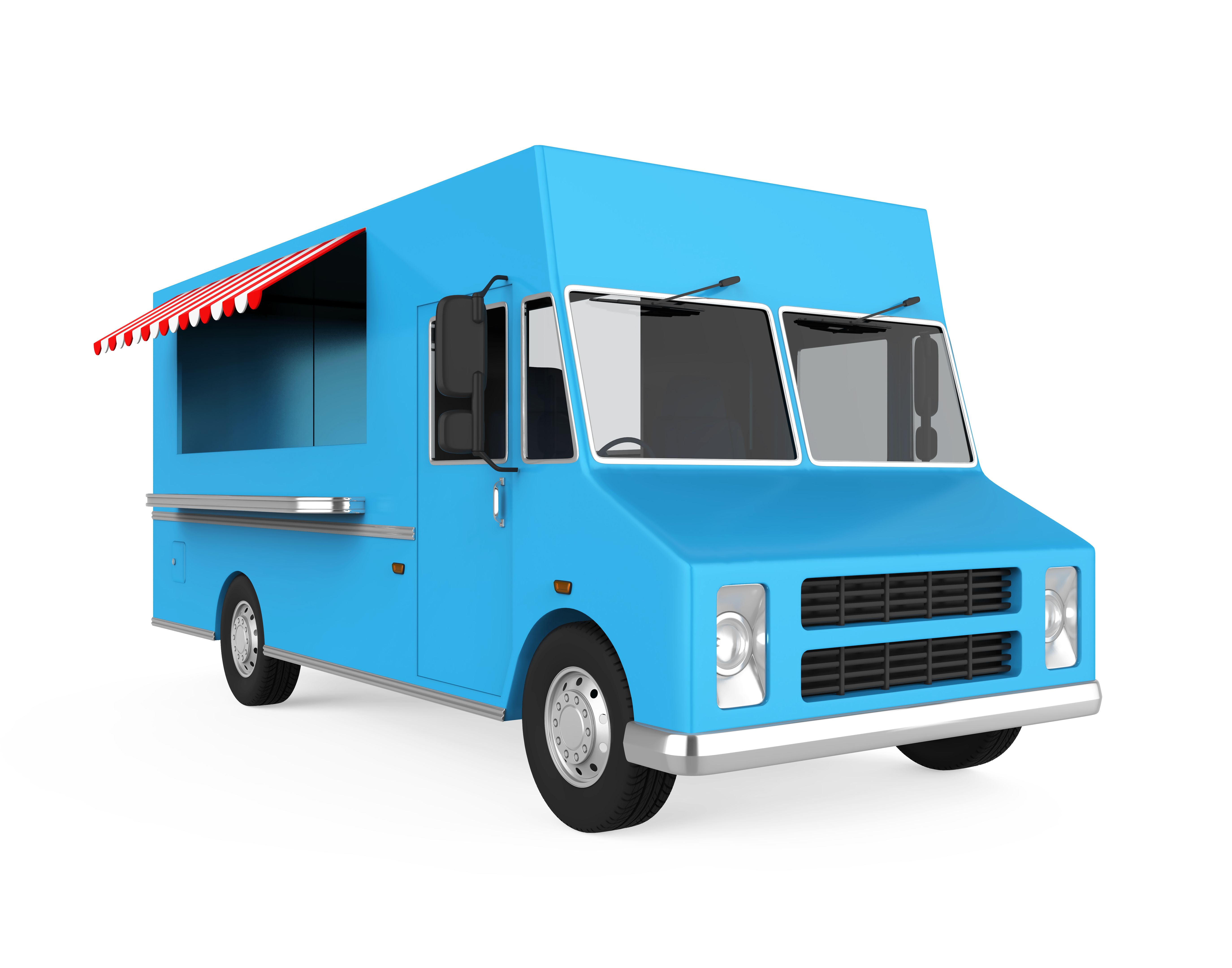
Your food truck's design should reflect your brand and appeal to your target customers. Consider both the exterior and interior layout, ensuring functionality and visual appeal. The truck should be equipped with necessary kitchen appliances while maintaining a welcoming appearance.
Invest in eye-catching graphics and signage to attract customers. A memorable design helps create brand recognition and encourages social media sharing.

Developing a Menu
Your menu is the heart of your food truck business. Focus on a few signature dishes that showcase your culinary skills and cater to your target audience. Ensure that your offerings are easily prepared within the confines of a truck kitchen.
Consider seasonal ingredients and local preferences when crafting your menu. Offering unique and high-quality dishes will set your food truck apart from competitors.
Marketing and Promotion
Effective marketing is essential for building a loyal customer base. Utilize social media platforms to engage with potential customers and keep them informed about your location and menu updates. Encourage customers to share their experiences online to increase visibility.
Participating in local events and collaborating with other food vendors can also boost your presence. Consistent branding and quality service will help you establish a strong reputation in the community.

Conclusion
Starting a food truck business in Australia can be a rewarding venture with the right planning and execution. By understanding the market, adhering to legal requirements, and offering a unique culinary experience, you can carve out a successful niche in the vibrant food truck scene. Stay adaptable, embrace feedback, and continuously innovate to ensure long-term success.