
The History and Evolution of Food Trucks in Australia


Early Beginnings
Food trucks have a rich history in Australia, tracing back to the early 20th century. Initially, they served as mobile canteens during World War II, providing meals to soldiers and workers in remote areas. This laid the foundation for what would eventually become a vibrant food truck culture.
During these early years, the concept was simple: offer convenient, affordable meals to people on the go. These mobile canteens were a lifeline, ensuring that hardworking Australians had access to hearty meals despite their demanding schedules.
The Rise of the Modern Food Truck
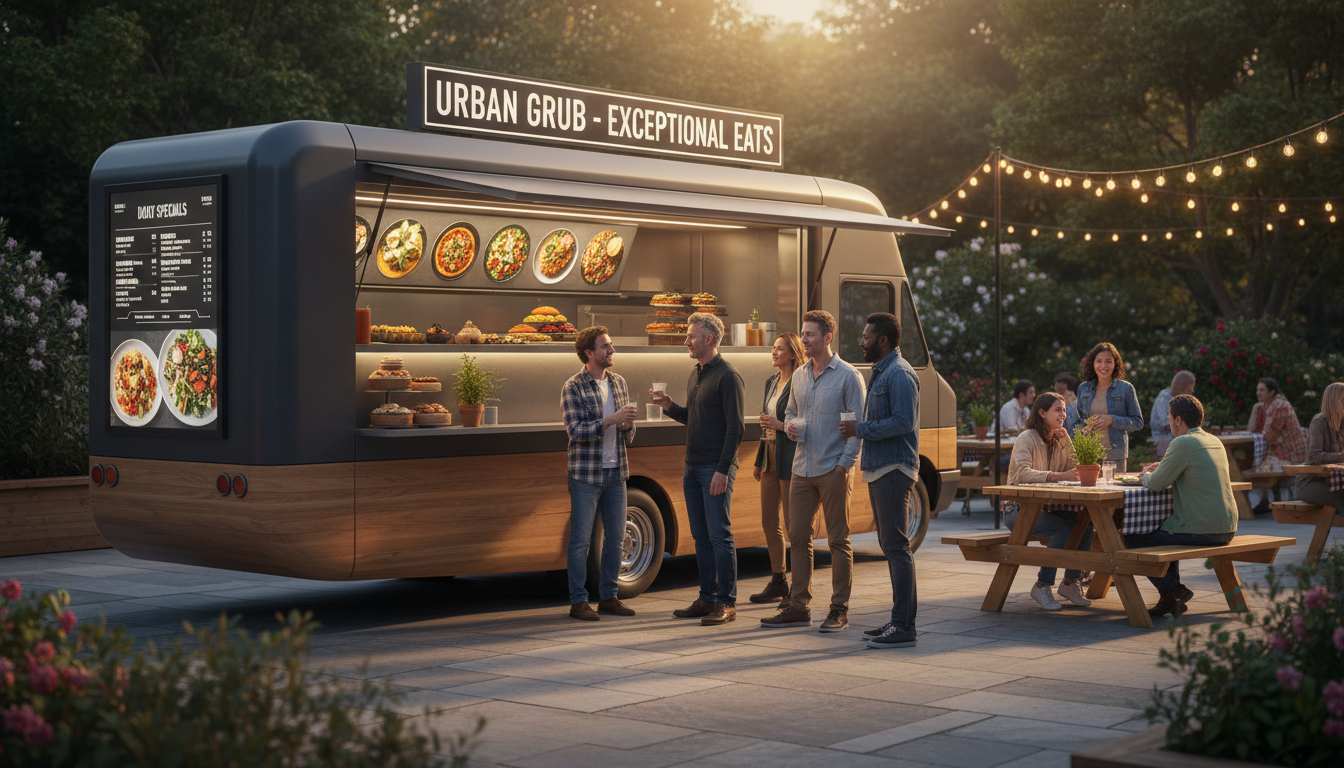
In the 2000s, food trucks began to evolve into their modern form. Influenced by trends from the United States, entrepreneurs in Australia saw the potential of offering gourmet cuisine from mobile kitchens. This shift was fueled by an increasing interest in street food and a desire for unique dining experiences.
With this evolution, food trucks began to focus on quality and creativity. Chefs started experimenting with diverse menus, offering everything from traditional Australian dishes to international flavors. This creativity helped food trucks gain popularity in urban areas.
Regulations and Challenges
As food trucks gained popularity, they faced several challenges, particularly in navigating regulations. Local governments had to adapt their policies to accommodate this growing industry, balancing the needs of food truck operators with those of established restaurants.
Despite these challenges, the food truck scene continued to thrive. Operators formed associations to advocate for fair regulations and to share best practices, which helped standardize operations and improve the overall quality of food truck offerings.
The Role of Social Media
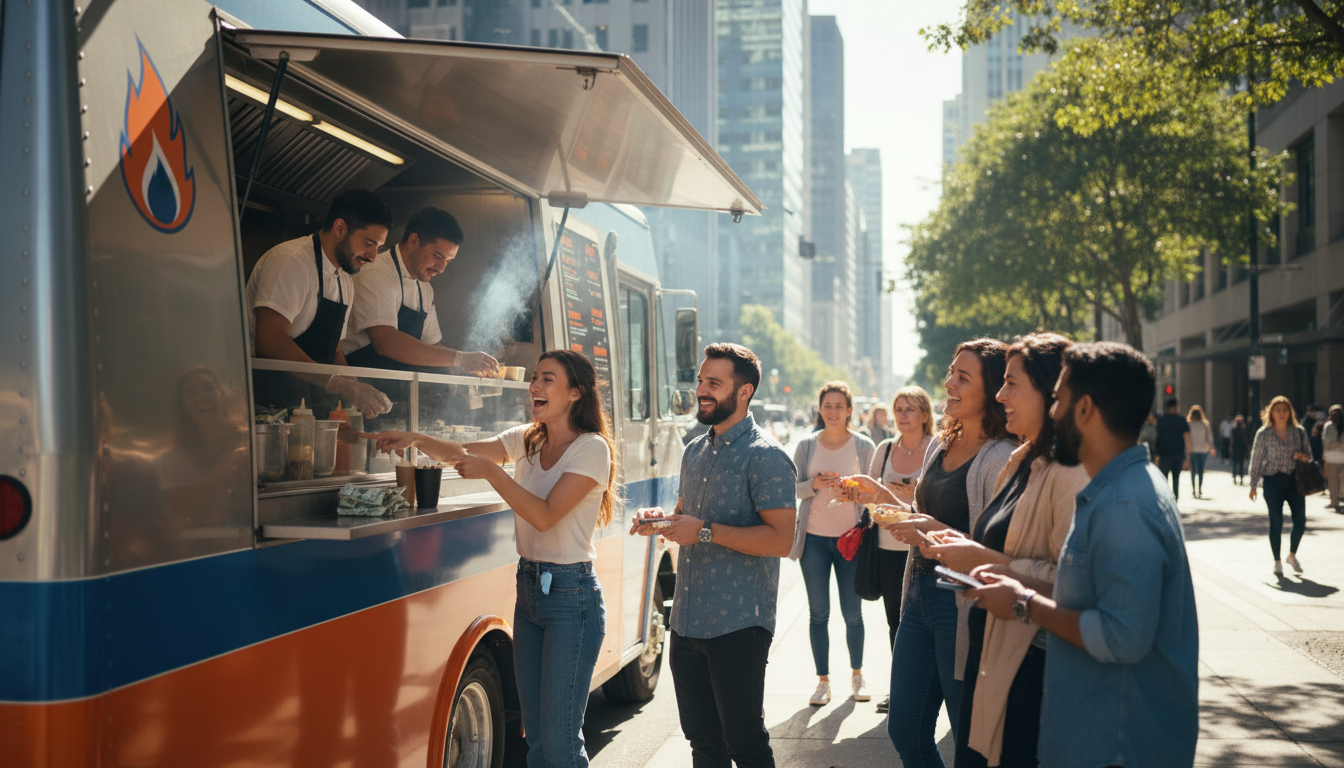
The rise of social media played a crucial role in the success of food trucks in Australia. Platforms like Instagram and Facebook allowed food truck owners to reach a wider audience, promote their unique offerings, and build a loyal customer base.
Through social media, food trucks could announce their locations, showcase their menus, and engage directly with customers. This direct connection helped foster a sense of community and loyalty among food truck enthusiasts.
Food Truck Festivals
Food truck festivals have become a significant part of Australia's culinary landscape. These events bring together diverse vendors, offering a wide range of cuisines in a festive atmosphere. They provide an opportunity for food lovers to explore new tastes and for vendors to reach new audiences.
These festivals are not just about food; they often feature live music, entertainment, and activities for families, making them popular social events across the country.

The Impact of COVID-19
The COVID-19 pandemic posed unique challenges to the food truck industry. With restrictions on gatherings and changes in consumer behavior, many operators had to adapt quickly. Some shifted to takeout and delivery models, while others explored new locations to reach customers.
Despite these difficulties, the adaptability of food trucks allowed many to survive and even thrive during the pandemic, highlighting the resilience and creativity of the industry.
The Future of Food Trucks in Australia
The future looks bright for food trucks in Australia. With a focus on sustainability, many operators are exploring eco-friendly practices, such as reducing waste and using locally sourced ingredients. This aligns with the growing consumer demand for environmentally conscious dining options.
Innovation continues to drive the industry, with food trucks experimenting with new technologies and culinary trends, ensuring they remain a vibrant and essential part of Australia's food scene.
Conclusion
From humble beginnings as mobile canteens to a thriving, innovative industry, food trucks have become an integral part of Australia's culinary identity. Their evolution reflects broader trends in society, including a love for diverse, high-quality food and a desire for unique dining experiences.
As they continue to adapt and grow, food trucks will undoubtedly play a significant role in shaping the future of dining in Australia, offering both challenges and exciting opportunities for entrepreneurs and food lovers alike.