
Food Truck vs. Restaurant: Which is the Better Business Model?


Understanding the Appeal of Food Trucks
In recent years, food trucks have surged in popularity, becoming a staple in urban areas and at various events. One of the main attractions of a food truck is its mobility. Owners can travel to areas with high foot traffic or participate in events, increasing their exposure and potential customer base. Additionally, the initial startup costs for food trucks are generally lower than those for a traditional restaurant, making them an attractive option for budding entrepreneurs.
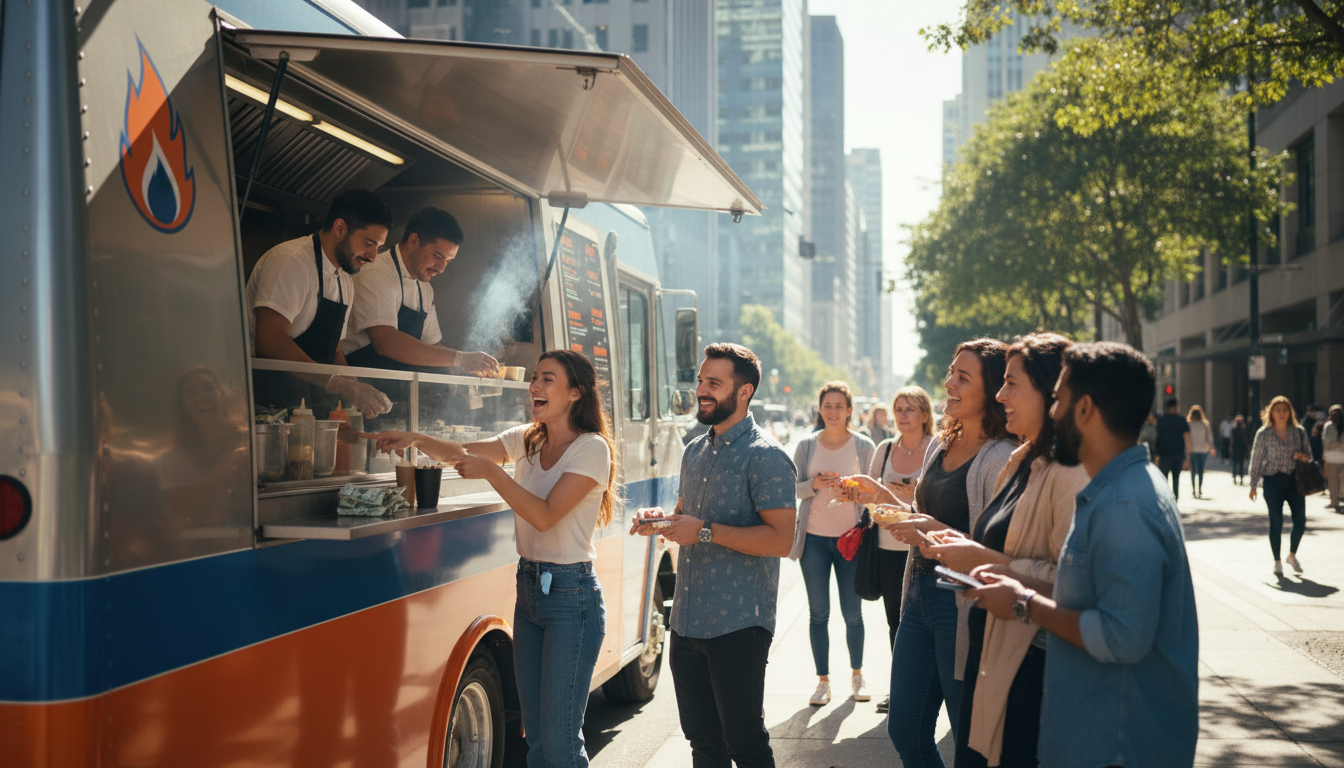
Food trucks also offer a unique opportunity to test new food concepts without the risk associated with a full-scale restaurant. This flexibility allows for creativity and experimentation in menu offerings, which can be adjusted based on customer feedback and seasonal ingredients.
Exploring the Traditional Restaurant Model
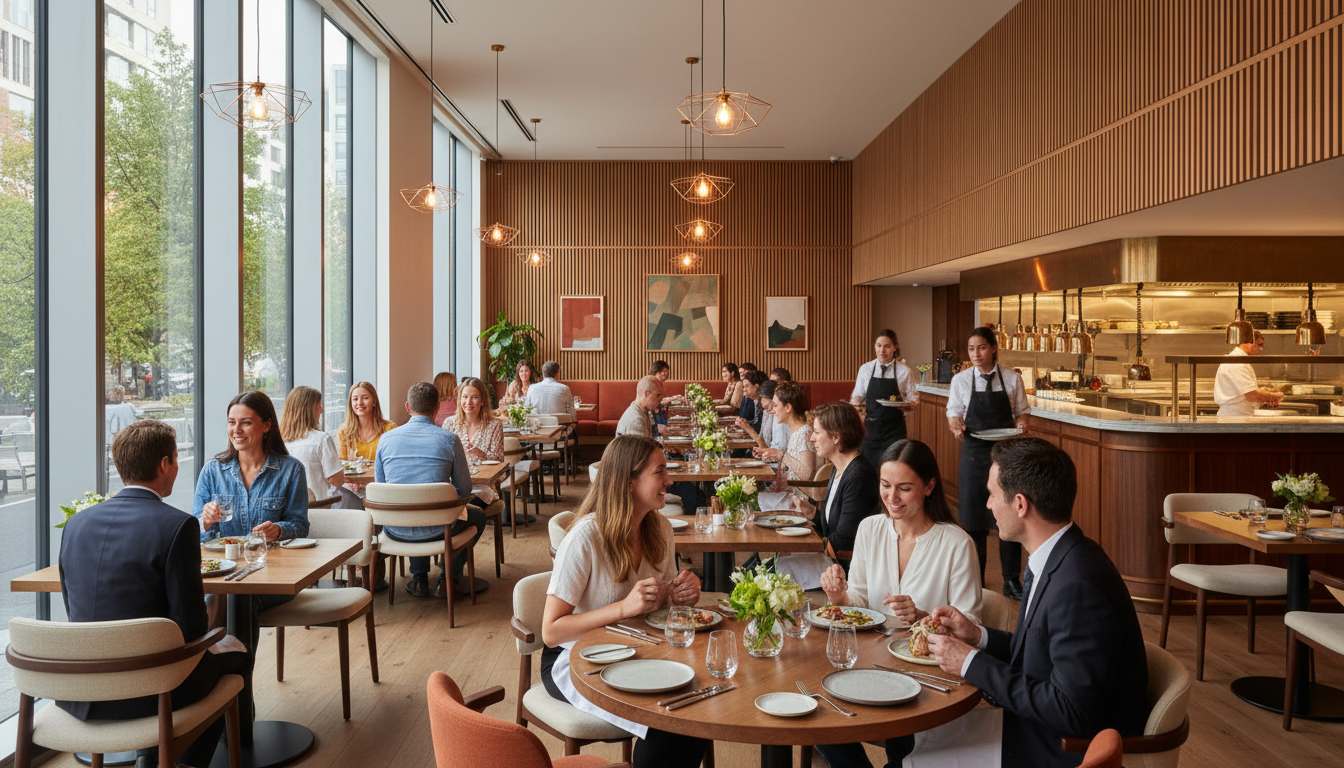
Restaurants, on the other hand, provide a more stable and established business model. They offer a consistent location where customers can expect to find a reliable dining experience. This stability often translates into a loyal customer base, which is crucial for long-term success. Additionally, restaurants have the ability to offer a more extensive menu and a comfortable dining environment, enhancing the overall customer experience.
Another advantage of traditional restaurants is the potential for higher revenue. With a larger seating capacity and the ability to host events, restaurants can generate significant income, especially if they establish a strong reputation in their community.
Comparing Costs and Overheads
When starting a food business, understanding the costs involved is crucial. Food trucks generally have lower initial investments due to reduced space and equipment needs. However, they do incur costs related to permits, fuel, and maintenance, which can add up over time. On the flip side, restaurants require a substantial initial investment in real estate, interior design, and extensive kitchen equipment.
Operational costs also differ significantly. Food trucks might face fluctuating expenses due to their mobility and need for constant supply chain adjustments, while restaurants have more predictable overheads such as rent and utilities.
Regulatory Considerations
Both food trucks and restaurants must adhere to health and safety regulations, but the requirements can differ. Food trucks often need permits to operate in various locations and must comply with local health codes. These regulations can vary widely from one jurisdiction to another, adding complexity to the business operations.
Restaurants, while also subject to health inspections and licensing, benefit from operating within a single location, which can simplify compliance efforts. However, the process of obtaining a restaurant license can be lengthy and costly.
Customer Experience and Engagement
The customer experience is a key differentiator between food trucks and restaurants. Food trucks often create a casual and interactive dining experience, which can attract a younger, more adventurous clientele. The novelty and convenience of food trucks can lead to spontaneous purchases and social media buzz.
In contrast, restaurants offer a more traditional dining experience, with table service and ambiance playing a significant role in customer satisfaction. This environment can appeal to families and those looking for a more relaxed dining experience. Restaurants also have the opportunity to build deeper connections with customers through events and loyalty programs.
Making the Right Choice
Choosing between a food truck and a restaurant depends on various factors, including budget, target audience, and business goals. Entrepreneurs with limited funds who value flexibility and creativity might find a food truck to be the better option. Those seeking stability and the ability to offer a full dining experience might prefer the restaurant model.
Ultimately, both business models have their own set of challenges and rewards. Careful consideration of your personal goals and market conditions will guide you to the best decision for your food business venture.