
Food Truck vs. Restaurant: Which is Better for Aspiring Chefs?


Introduction
For aspiring chefs, deciding between launching a food truck or starting a traditional restaurant can be a challenging choice. Both options offer unique opportunities and come with their own set of challenges. Understanding the key differences can help you make an informed decision that aligns with your culinary dreams.
Initial Costs and Investment
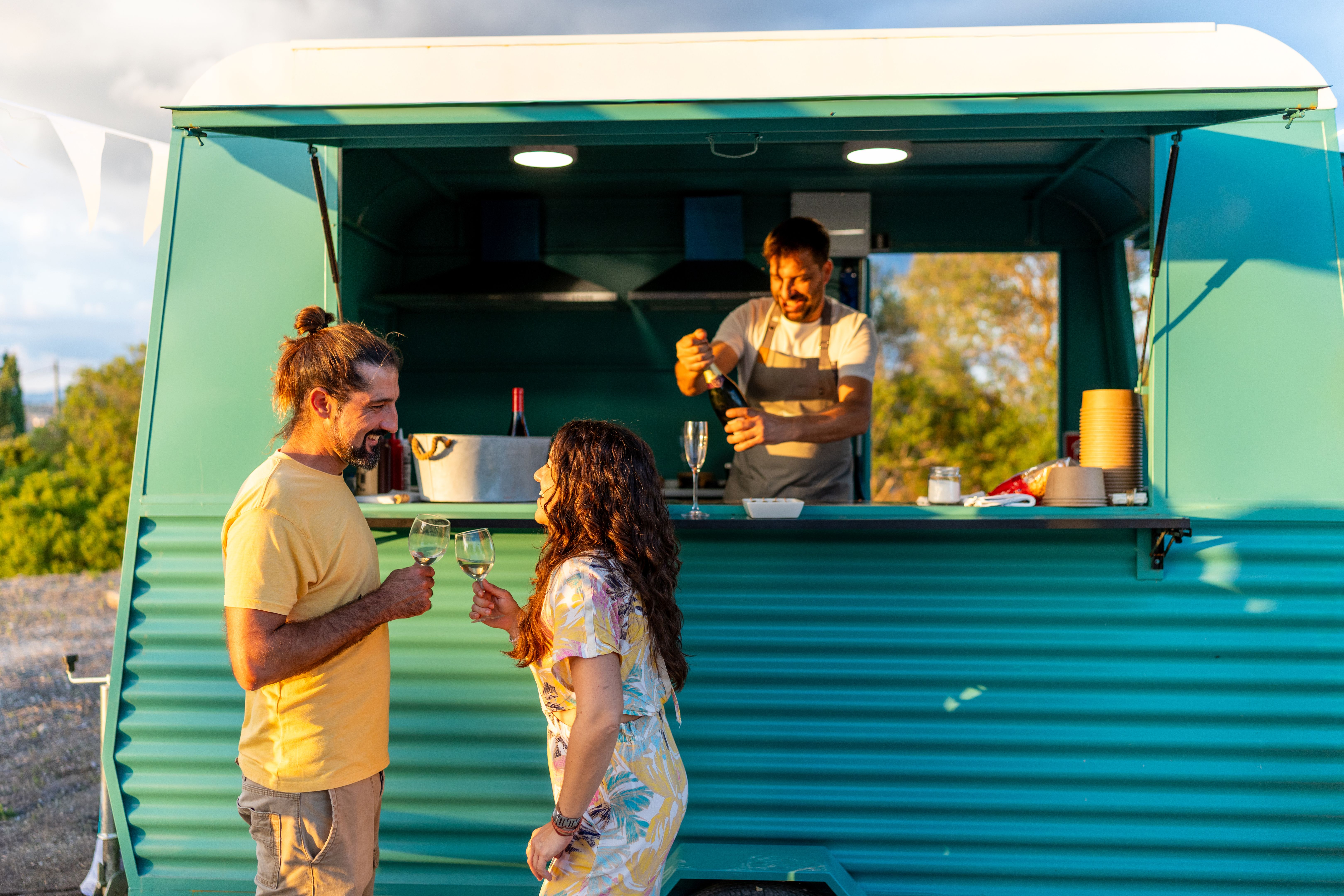
One of the most significant factors to consider is the cost of entry. Food trucks generally require a lower initial investment compared to brick-and-mortar restaurants. The costs typically include purchasing the truck, outfitting it with necessary kitchen equipment, and obtaining permits.
On the other hand, opening a restaurant involves expenses such as leasing or buying a location, extensive renovations, and more comprehensive staffing. This higher investment means aspiring chefs need more capital or financing to get started.

Flexibility and Mobility
Food trucks offer unmatched flexibility. They allow chefs to move to different locations and adapt to changing customer demands. This mobility can be advantageous for testing new markets and expanding brand reach without committing to one spot.
Restaurants, however, offer stability with a fixed location. This can help in building a loyal customer base and creating a consistent brand presence in the community.
Menu and Creativity
The menu in a food truck is often more limited due to space constraints. This can encourage chefs to focus on a few standout dishes, ensuring quality and consistency. Additionally, food trucks offer the chance to experiment with different cuisines and concepts without significant risk.
Restaurants, with larger kitchen spaces, provide chefs with the opportunity to offer a more extensive menu. This setting is ideal for those wanting to showcase a wide range of culinary skills and creativity.

Operational Challenges
Running a food truck comes with its own set of challenges, such as dealing with weather conditions, mechanical issues, and limited storage space. However, the operational costs, including utilities and staff, tend to be lower than those of a restaurant.
Restaurants face challenges like higher utility bills, more complex staffing needs, and stricter health regulations. These factors require efficient management skills and a larger team to operate smoothly.
Conclusion
Both food trucks and restaurants offer exciting opportunities for aspiring chefs. The decision ultimately depends on your goals, budget, and desired lifestyle. Whether you choose the mobility of a food truck or the stability of a restaurant, both paths can lead to a rewarding culinary career.