
Empiere Eats' Guide to Hosting a Sustainable Food Event


Planning a food event that is both enjoyable and environmentally friendly can be a rewarding challenge. At Empiere Eats, we believe in the power of sustainable practices to create memorable experiences that are kind to our planet. Here's how you can host a successful sustainable food event.
Choose Local and Seasonal Ingredients
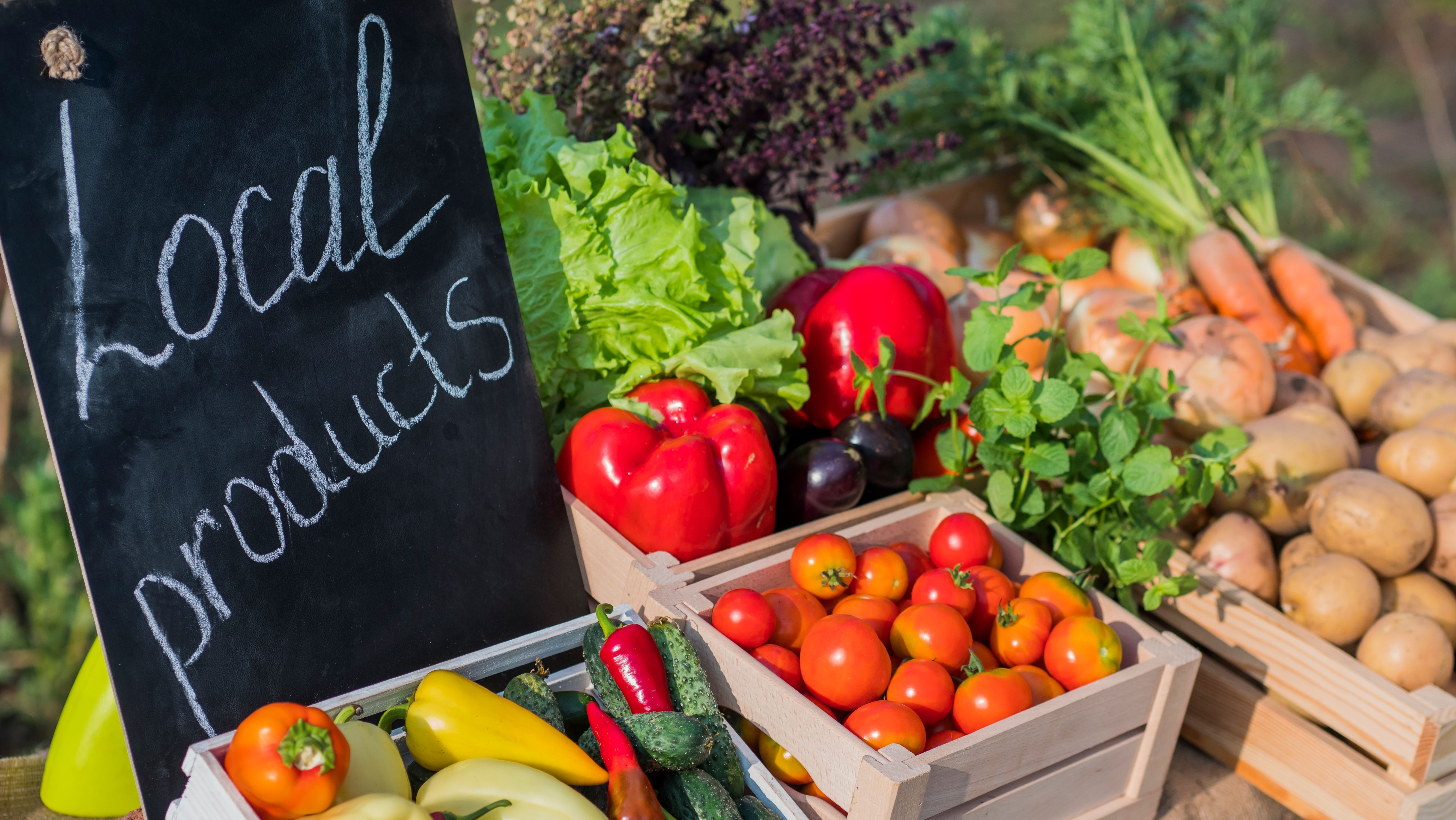
One of the most impactful ways to reduce your event's carbon footprint is by sourcing local and seasonal ingredients. Not only does this support local farmers and reduce transportation emissions, but it also ensures fresher, tastier dishes. Visit local markets or connect with nearby farms to find the best produce the season has to offer.
Minimize Food Waste
Food waste is a significant issue at events, but it can be mitigated with thoughtful planning. Start by accurately estimating the number of attendees and portion sizes. Encourage guests to RSVP and consider serving plated meals instead of buffets. Any leftover food can be donated to local shelters or composted.
Additionally, consider incorporating "ugly" produce—fruits and vegetables that are perfectly edible but often discarded due to appearance. This not only reduces waste but also supports a more sustainable food system.
Use Eco-Friendly Serving Materials
Disposable plates, cups, and utensils contribute significantly to event waste. Opt for compostable or reusable alternatives instead. Many companies offer biodegradable options made from bamboo, palm leaves, or recycled materials. If possible, use real dishware and hire a service to wash them afterward.

Reduce Energy Consumption
Energy-efficient appliances and lighting can make a big difference. Choose venues with natural lighting or use LED bulbs to save energy. If your event requires cooking on-site, consider using energy-efficient equipment or methods that require less energy, like induction cooktops.
Promote Sustainable Practices
Use your event as an opportunity to educate attendees about sustainability. Provide information about the origins of your ingredients and the benefits of eco-friendly practices. You might include a short presentation or handouts with tips on how guests can incorporate these practices into their own lives.

Encourage Responsible Travel
Transportation can be a major source of emissions for any event. Encourage carpooling, offer shuttle services, or provide incentives for attendees who use public transportation. Choosing a centrally located venue can also help reduce travel distances for your guests.
Hosting a sustainable food event requires some extra planning but offers a unique opportunity to make a positive impact. By implementing these strategies, you can create an event that delights your guests and respects the environment.